
Choosing the Right Siding Material for Your HOA
A Colorado-Based Comparison of Fiber Cement, Vinyl, Engineered Wood, and More
Choosing the Right Siding Material for Your HOA
A Colorado-Based Comparison of Fiber Cement, Vinyl, Engineered Wood, and More
Choosing the Right Siding Material for Your HOA
A Colorado-Based Comparison of Fiber Cement, Vinyl, Engineered Wood, and More
Trusted Partners
Industry-Leading Brands

In This Guide
Everything you need to know about choosing the right siding material for your hoa, organized in clear, actionable sections.
Why Siding Material Matters for HOAs
Understanding the impact of material choice on your community
Fiber Cement Siding (James Hardie)
The gold standard for Colorado HOAs
Vinyl and Engineered Wood Siding
Budget-friendly and mid-range options
Stucco, Natural Wood, and Masonry Options
Specialty materials for specific applications
What's the Right Material for Your Community?
Guidelines for making the best choice
Why Siding Material Matters for HOAs
In a single-family home, a siding failure might affect one owner. In an HOA, it affects dozens—sometimes hundreds—of homes. That's why material choice isn't just a design decision. It's a governance responsibility that affects your reserve planning, insurance premiums, and community satisfaction. (If you haven't already, check our guide on recognizing when you need new siding.)
When choosing siding materials for a Common Interest Community, your board should consider:
- Durability in Colorado's high UV, hail-prone, wildfire-risk zones
- Fire resistance, especially in Wildland-Urban Interface (WUI) areas
- Maintenance cycles and cost
- Long-term appearance and fade resistance
- HOA architectural consistency and CC&R compliance
- Total cost of ownership—not just the install price
We'll cover all of that in the comparisons below.

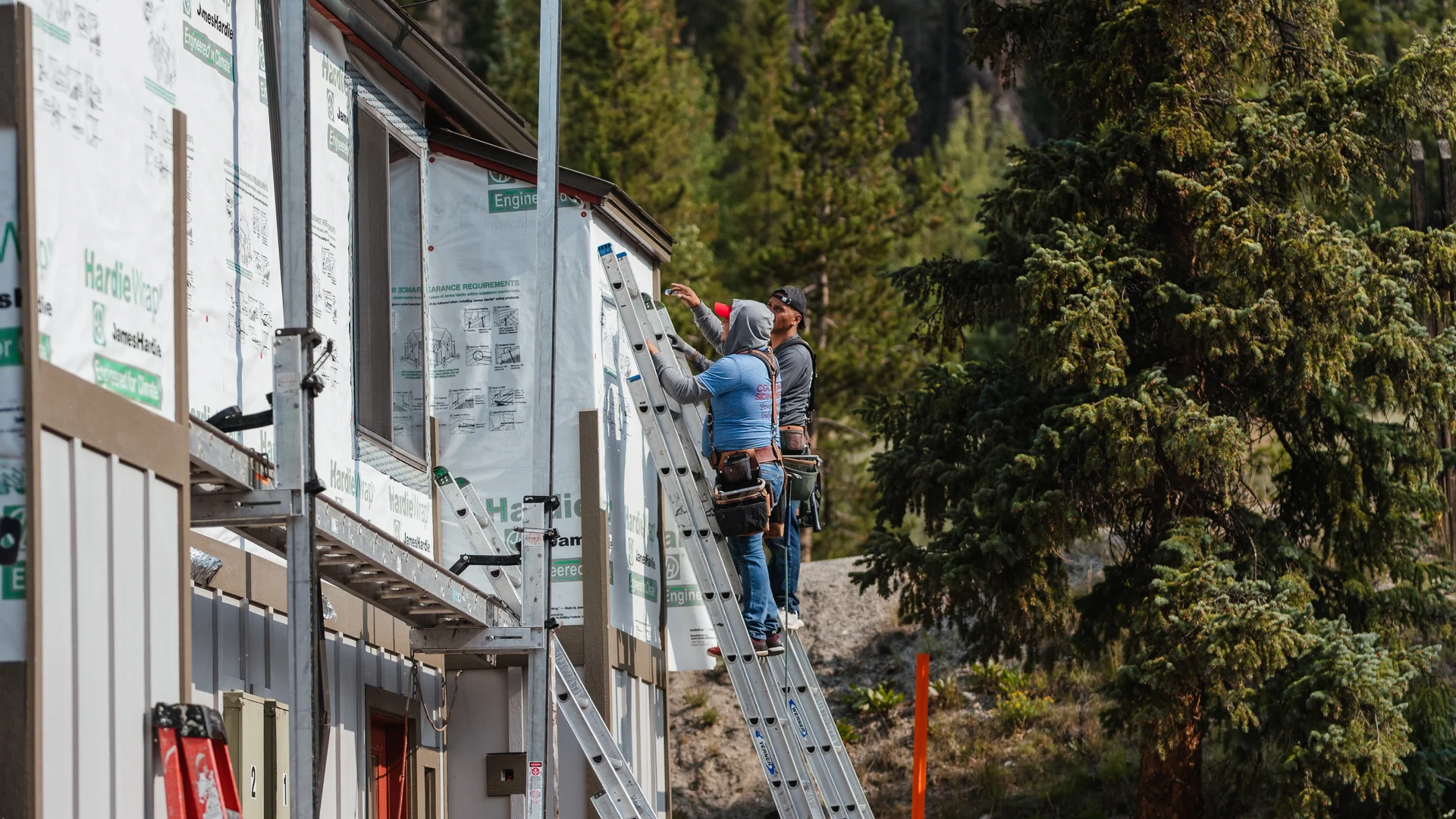
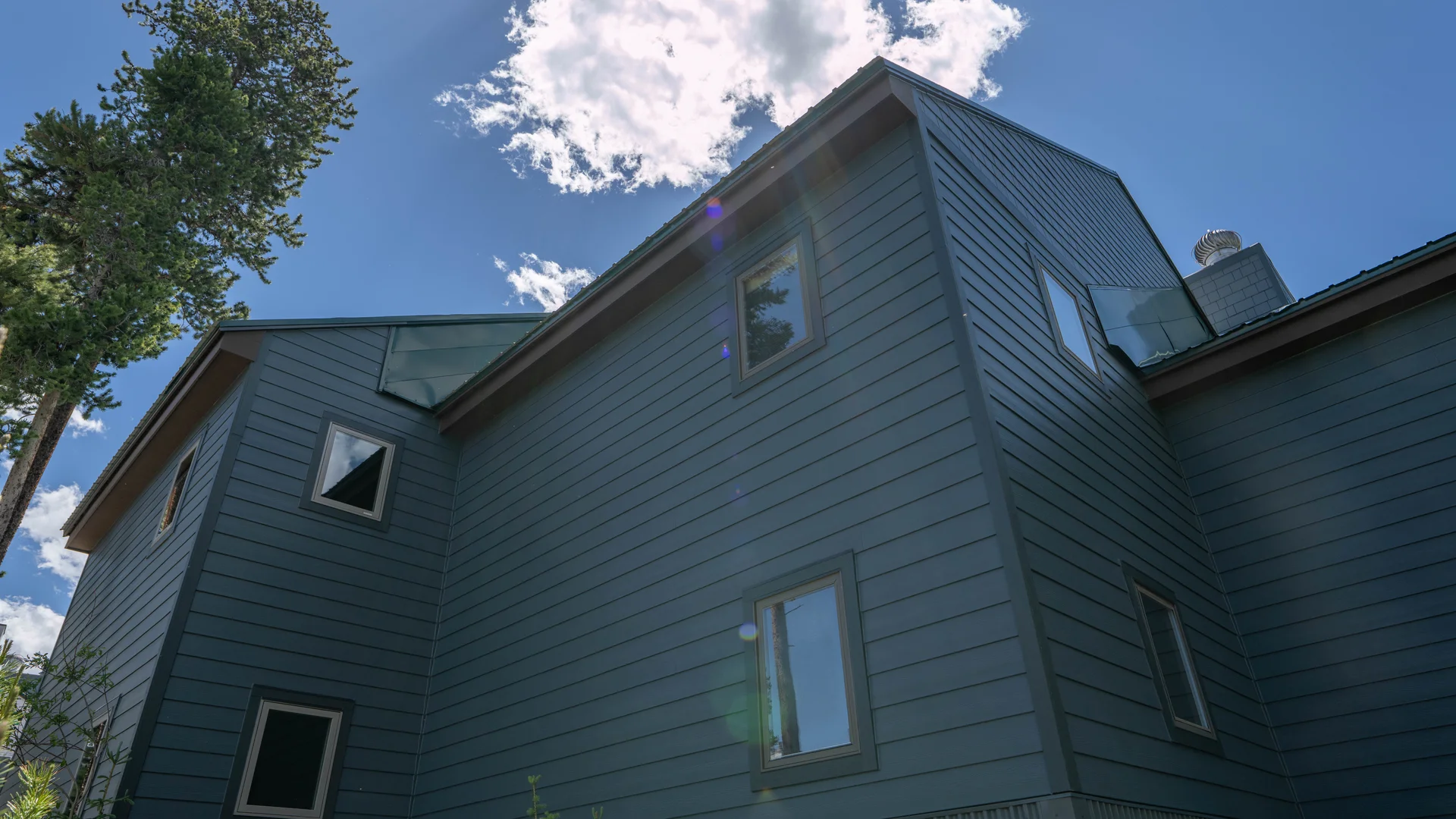
Fiber Cement Siding (James Hardie)
Best For:
- HOAs in wildfire zones
- Long-term durability
- Classic or modern architectural styles
- Communities prioritizing low maintenance and fire resistance
Pros:
- Class A fire-rated (non-combustible)
- Extremely durable—resists warping, pests, rot, and hail
- Available in pre-finished colors with 15-year paint warranty
- Holds architectural detail well (wood grain, shiplap, board-and-batten, etc.)
- Low lifetime maintenance
Cons:
- Higher upfront cost than vinyl
- Heavier material, requiring proper installation practices
- Requires special tools and trained installers
In Colorado: Fiber cement is widely viewed as the gold standard for HOA siding projects in mountain communities and Front Range towns alike. Its fire resistance makes it especially suitable for WUI-designated areas, while its durability stands up well to hail and UV exposure.
Vinyl and Engineered Wood Siding
Vinyl Siding
Best For: Budget-sensitive communities, temporary upgrades, HOAs in lower-risk fire or hail areas (less common in CO)
Pros: Low upfront cost, no painting required, moderate fade resistance with higher-end versions, lightweight and fast to install
Cons: Low hail resistance—easily cracked or punctured, poor fire performance (melts at low temperatures), prone to UV damage at high elevations, difficult to patch inconspicuously, less architecturally versatile
In Colorado: Vinyl siding is increasingly rare in HOA replacements due to the state's severe weather conditions. In most cases, it's considered a stopgap or value material—not a long-term investment. Insurance underwriters may also take fire and hail susceptibility into account when evaluating premiums.
Engineered Wood Siding (LP SmartSide)
Best For: Communities wanting a wood-look aesthetic with modern protection, projects balancing cost and durability, boards considering alternatives to fiber cement
Pros: Lighter and easier to install than fiber cement, impact-resistant (stronger than vinyl), treated to resist moisture, rot, and pests, can be painted or prefinished, mid-range pricing
Cons: Combustible material (lower fire rating than fiber cement), may require more frequent repainting, warranty terms vary by finish and climate zone
In Colorado: Engineered wood is increasingly popular, especially along the Denver/Boulder foothills, where its rustic appearance fits local styles. While not as fire-resistant as fiber cement, it's a major improvement over raw wood and vinyl in terms of longevity and performance.
Stucco, Natural Wood, and Masonry Options
Stucco & EIFS (Exterior Insulation and Finish Systems)
Best For: High-density buildings (urban condos), Southwestern or Spanish-style communities
Pros: Seamless, clean aesthetic, durable when installed correctly, good insulation value
Cons: Water intrusion risk if not maintained, requires highly skilled installers, harder to patch invisibly, limited architectural styles
In Colorado: Stucco is more commonly seen in Denver proper or Southern Colorado. In HOA projects, it often requires extra inspection due to concerns about hidden moisture damage, especially on older installations without proper drainage planes.
Natural Wood Siding
Best For: Historic districts with preservation mandates, communities committed to frequent upkeep
Pros: Beautiful, authentic appearance, can be stained or painted any color, traditional, high-end feel
Cons: High maintenance (painting/staining every few years), vulnerable to woodpeckers, moisture, rot, and fire, shorter lifespan without constant upkeep
In Colorado: Many older mountain towns (like Evergreen or Conifer) still have cedar or redwood siding. However, most HOAs are choosing fiber cement or engineered wood that mimics the look—without the maintenance burden or fire risk.
Brick, Stone, and Masonry Veneers
Best For: Mixed-use or premium developments, lower siding surface areas (accents or partial facades)
Pros: Extremely durable, low maintenance, classic look with long-term value
Cons: High cost, structural requirements may increase complexity, not suitable for full facades in most townhome/condo HOAs
In Colorado: These materials are often used as accents alongside fiber cement or stucco—for example, stone wainscoting or brick at entryways. They add aesthetic value but rarely form the main siding component due to weight and cost.
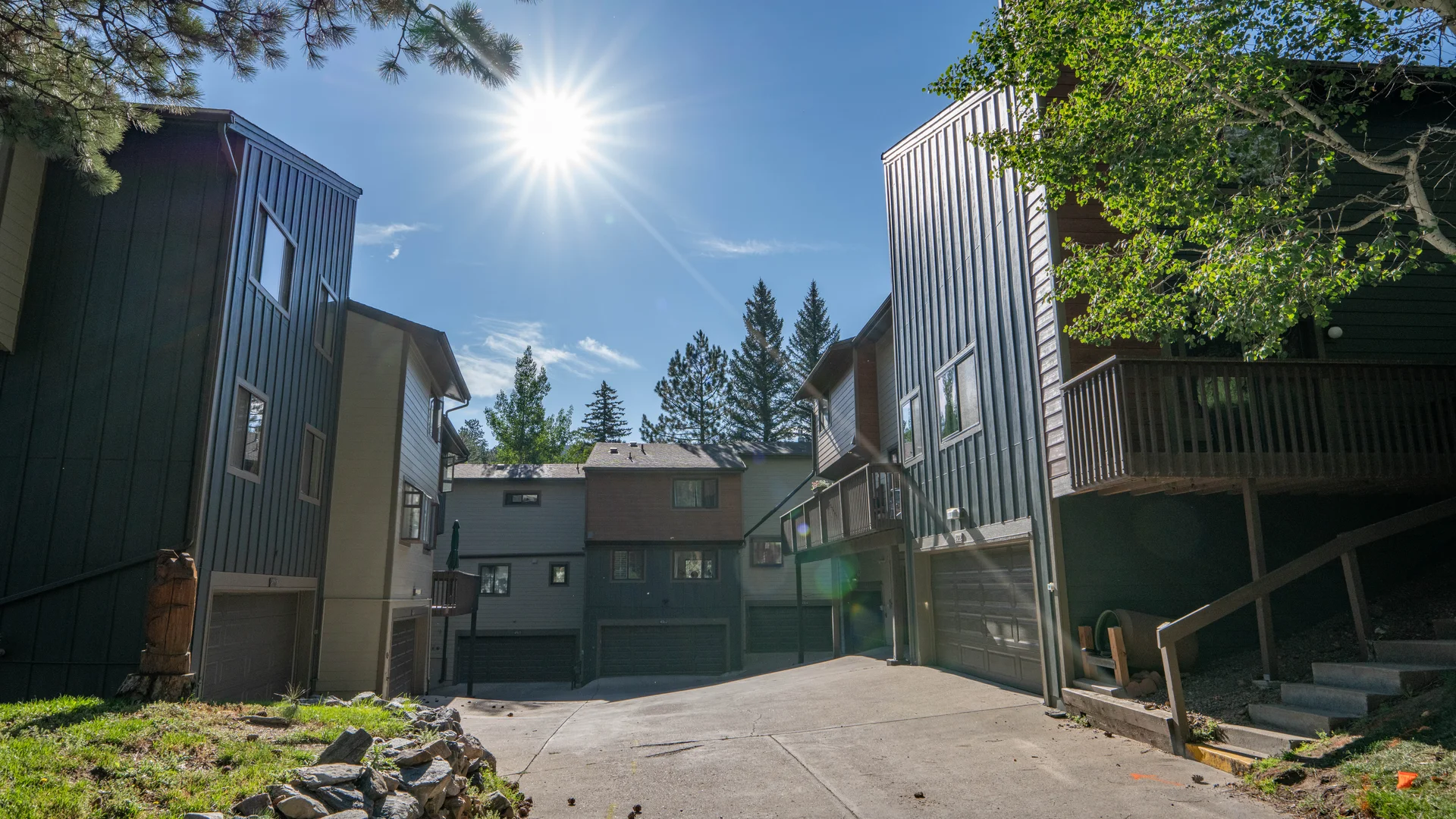
What's the Right Material for Your Community?
There's no one-size-fits-all answer. But there are a few rules of thumb:
- If your HOA is in a wildfire risk zone or WUI-designated area: Fiber cement is likely your best choice.
- If hail and UV damage are concerns—and they usually are in Colorado—avoid vinyl.
- If your community wants a wood look with lower maintenance, consider engineered wood.
- If you're looking for long-term stability, low maintenance, and peace of mind across dozens of units, fiber cement remains the most trusted HOA option.
What About Residing vs. Painting?
Some HOAs wonder: should we simply repaint instead of replacing siding?
If your current siding is structurally sound and just showing surface wear, repainting may extend its life for a few more years. But if there are signs of rot, cracking, or systemic failure, paint is only a temporary cover.
Bellwether's Approach to Siding Selection
At Bellwether, we help HOAs not just choose materials—but understand how those materials perform over time, how they affect insurance and resale, and how they work with other upgrades like window replacement, deck repairs, and insulation improvements.
When you work with our team, we can provide:
- Material comparisons and sample panels
- Color visualization tools to preview design decisions
- Budget forecasting and total cost of ownership analysis
- Guidance through architectural approvals or CC&R compliance
We're here to make this decision not just easier—but smarter. Once you've selected your material, follow our step-by-step installation process to move forward with your project.
Explore More
Related Resources
Dive deeper into specific topics with our detailed guides and resources.
Frequently Asked Questions
Common questions about Choosing the Right Siding Material for Your HOA answered by our experts.