
Writing an HOA Project RFP(Request for Proposal)
A Colorado HOA's guide to building clear, competitive, and comparable bids
Writing an HOA Project RFP(Request for Proposal)
A Colorado HOA's guide to building clear, competitive, and comparable bids
Writing an HOA Project RFP(Request for Proposal)
A Colorado HOA's guide to building clear, competitive, and comparable bids
Trusted Partners
Industry-Leading Brands


Writing an HOA Project RFP
Watch our expert guide on comparing contractor bids and identifying red flags in proposals.
In This Guide
Everything you need to know about writing an hoa project rfp, organized in clear, actionable sections.
Why a Strong RFP Matters
Foundation for successful HOA construction projects
Step 1 – Define Your Project Scope Clearly
Establishing what the project includes
Specify Materials and Submission Format
Creating comparable bid responses
Colorado-Specific Considerations
Regional factors for your RFP
Why a Strong RFP Matters
An RFP (Request for Proposal) is more than a formality—it's the foundation of a successful HOA construction project. In siding replacement, the RFP sets expectations, standardizes bid responses, and gives your board the information it needs to make an informed decision.
In an HOA construction project, your RFP is both a roadmap and a filter. It:
- Establishes the scope, materials, and performance standards
- Ensures all bidders are working from the same set of expectations
- Reduces the risk of "low" bids that leave out essential work
- Protects the HOA from scope creep and misunderstandings during construction
A good RFP helps contractors provide realistic, complete bids, and helps boards make decisions based on facts—not guesswork.
Step 1 – Define Your Project Scope Clearly
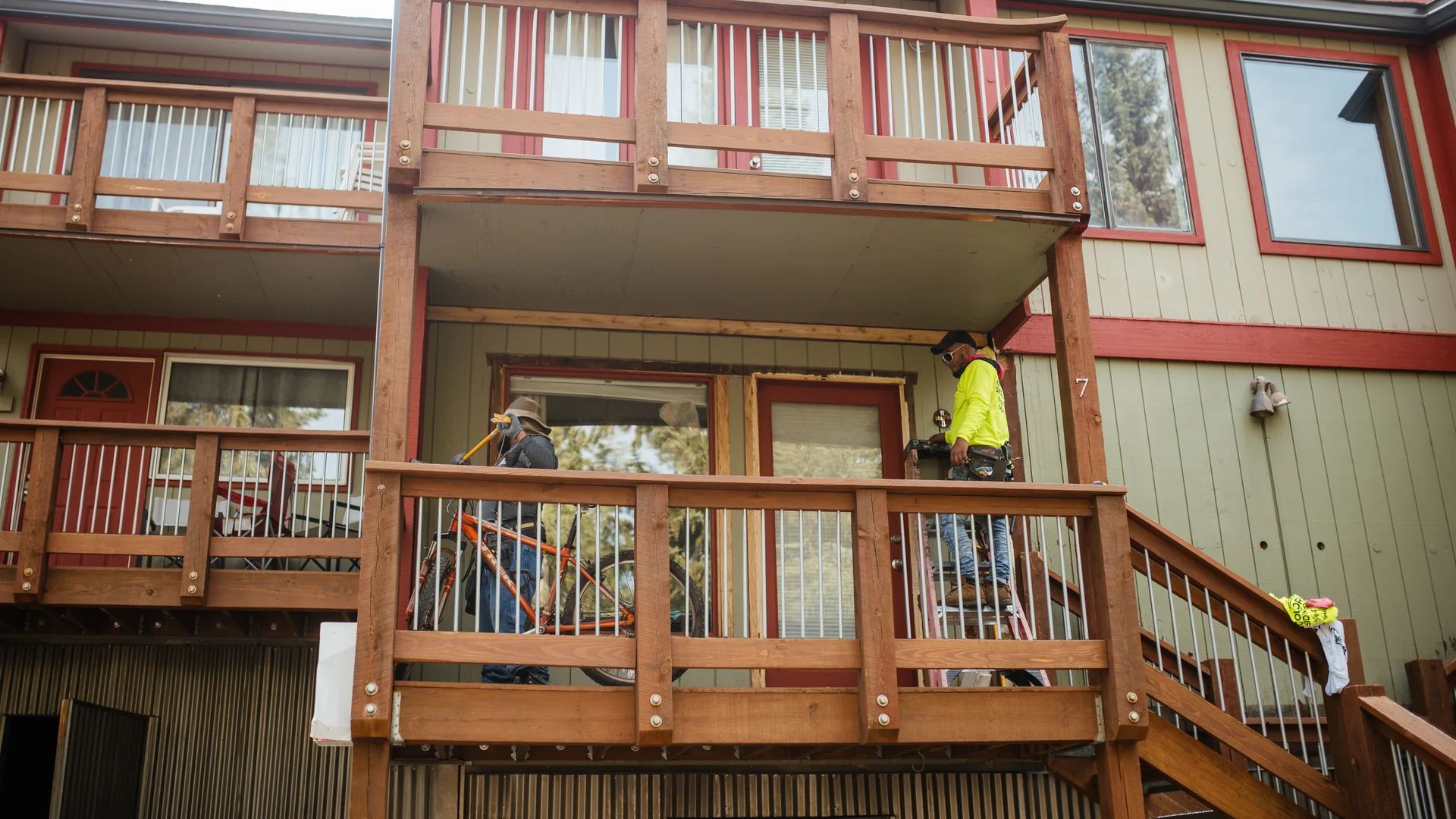
Before you start writing, determine exactly what the project includes. For siding replacement, consider:
- Number of buildings and units to be addressed
- Specific elevations or sections to be replaced
- Materials (fiber cement, engineered wood, vinyl, etc.) and whether you want alternates priced
- Trim, soffits, and fascia replacement or repair
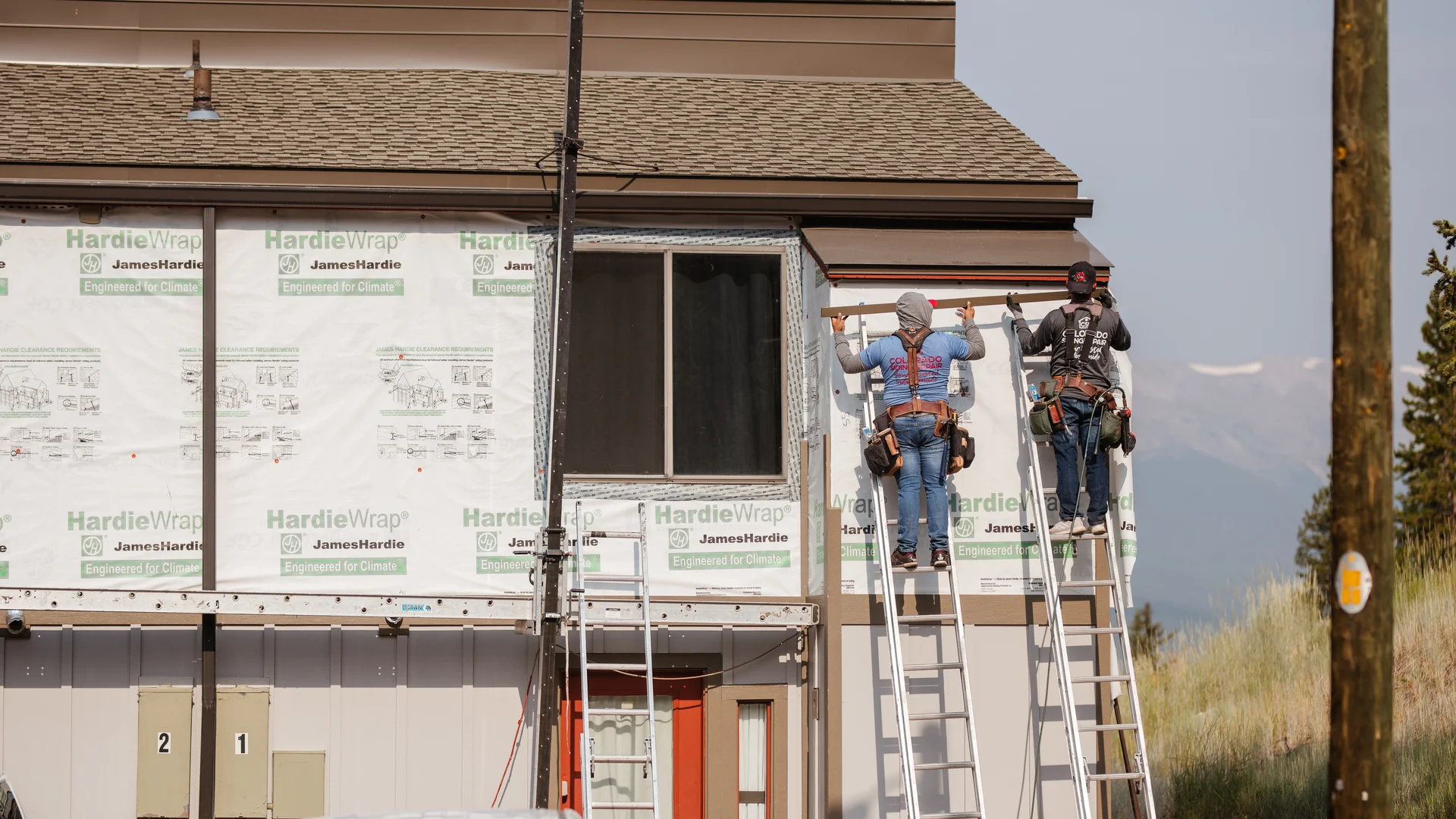
- House wrap, insulation, and weatherproofing requirements
- Related upgrades like window replacement, deck repairs, or gutter work
Step 2 – Provide Background Information
Give contractors the context they need to understand your community:
- Year built and general construction type
- Current siding material and condition
- Access and logistical considerations (parking, staging areas, resident occupancy)
- HOA architectural guidelines or color restrictions
- Any known problem areas or past repair history
This background helps contractors anticipate challenges and avoid underestimating the work.
Specify Materials and Submission Format
Step 3 – Specify Materials and Standards
To get accurate, comparable bids, list exactly what you want:
- Manufacturer and product line for siding, trim, and accessories
- Finish type (factory-finished vs. site-painted)
- Underlayment, WRB, and flashing standards
- Fastener type and installation methods per manufacturer guidelines
If you're open to alternates, ask for them to be priced separately so you can compare without confusing your base bid.
Step 5 – Detail the Bid Submission Format
Standardize your bid request so comparisons are easy:
- Use a line-item format for labor, materials, permits, disposal, and contingencies
- Require a separate section for allowances and exclusions
- Include a timeline for start and completion
- Ask for warranty terms in writing for both materials and workmanship

Colorado-Specific Considerations
When writing an RFP for siding replacement in Colorado:
- Specify products and finishes rated for high UV exposure
- Consider non-combustible siding in wildfire-prone areas
- Address hail resistance in product performance requirements
- Schedule work around seasonal constraints—avoid exposing walls in freeze-thaw conditions
Common Mistakes HOAs Make with RFPs
- Vague scopes – Leads to wide bid variation and hidden costs later
- No bid format – Makes side-by-side comparisons difficult
- Ignoring logistics – Fails to account for resident occupancy, staging, and parking
- Overlooking communication – Leads to resident frustration during construction
Explore More
Related Resources
Dive deeper into specific topics with our detailed guides and resources.
Frequently Asked Questions
Common questions about Writing an HOA Project RFP answered by our experts.