
Managing Construction& Homeowner Communication
Comprehensive guide for HOA boards on managing construction projects, maintaining clear communication with residents, and ensuring successful project completion.
Managing Construction& Homeowner Communication
Comprehensive guide for HOA boards on managing construction projects, maintaining clear communication with residents, and ensuring successful project completion.
Managing Construction& Homeowner Communication
Comprehensive guide for HOA boards on managing construction projects, maintaining clear communication with residents, and ensuring successful project completion.
Trusted Partners
Industry-Leading Brands



In This Guide
Everything you need to know about managing construction, organized in clear, actionable sections.
Pre-Construction Planning and Setup
Essential preparation steps before construction begins
Resident Communication Strategy
Keeping homeowners informed and addressing concerns throughout construction
Handling Change Orders and Delays
Managing unexpected changes and keeping projects on track
Pre-Construction Planning and Setup
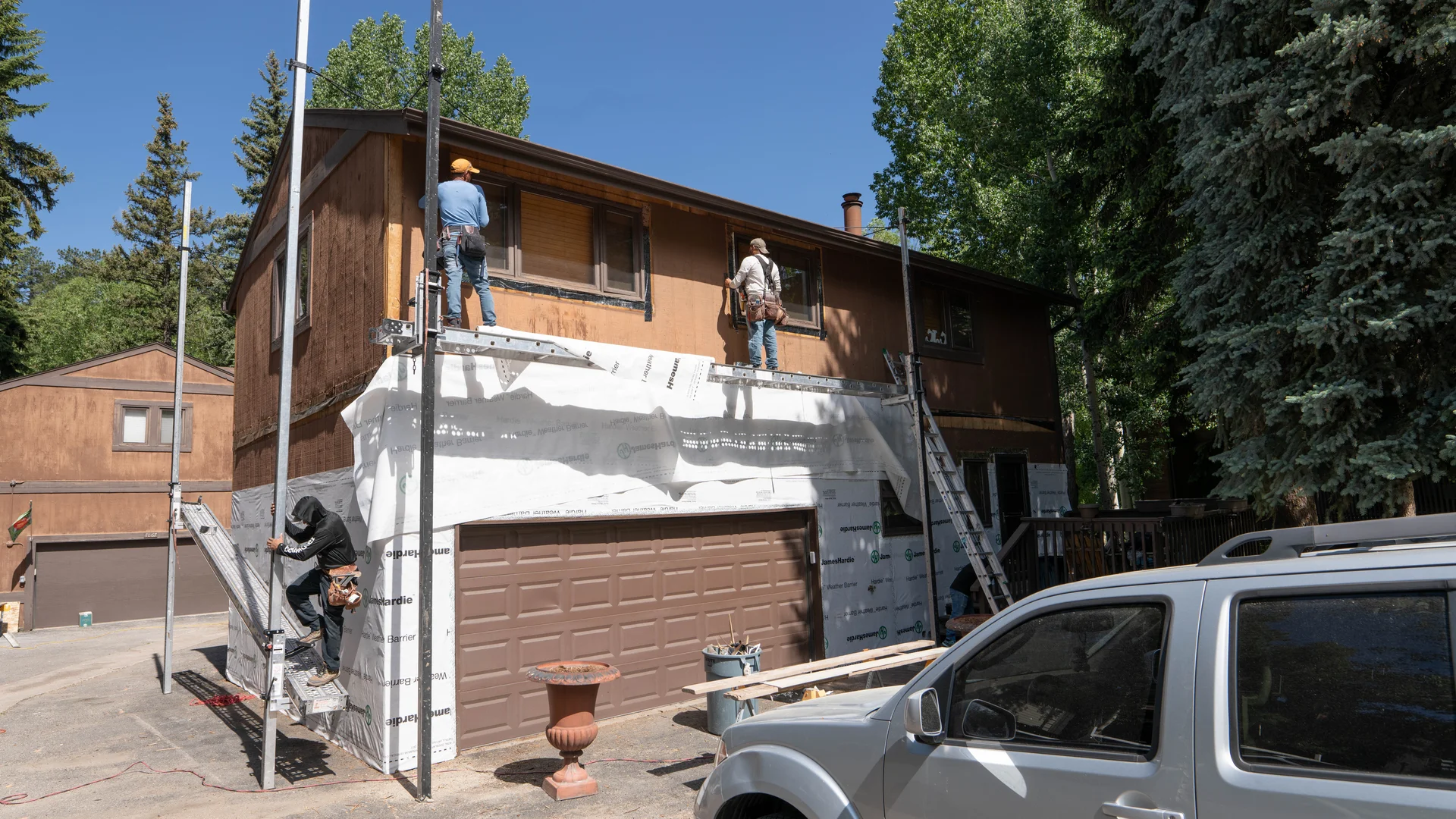
Thorough pre-construction planning sets the foundation for successful project execution and minimizes disruption to residents. Proper preparation prevents many common problems that arise during construction.
Logistics Planning
- Site Access: Plan construction routes, staging areas, and material storage
- Parking Management: Arrange temporary parking for residents and workers
- Utility Coordination: Schedule any necessary utility shutoffs or relocations
- Permit Verification: Confirm all permits are in place before work begins
- Insurance Review: Verify contractor insurance and HOA coverage adjustments
Resident Preparation
- Detailed timeline and schedule communication
- Instructions for protecting personal property
- Guidelines for accessing units during construction
- Noise expectations and quiet hours
- Emergency contact information for issues
Create a pre-construction checklist to ensure nothing is overlooked, and schedule a kick-off meeting with contractors and property management to align expectations.
Resident Communication Strategy
Clear, consistent communication with residents is essential for maintaining goodwill and preventing complaints during construction projects. A proactive communication strategy addresses concerns before they become problems.
Communication Channels
- Project Updates: Weekly email updates on progress and upcoming activities
- Notice Boards: Physical posting of schedules and important announcements
- Direct Contact: Dedicated phone line or email for construction-related questions
- Site Visits: Regular walk-throughs with interested residents
- Emergency Notifications: Immediate alerts for schedule changes or safety issues
Managing Complaints and Concerns
Establish protocols for handling resident issues:
- Designate a primary contact person for construction questions
- Set response time expectations (24-48 hours for non-emergency issues)
- Document all complaints and resolutions
- Escalation procedures for serious concerns
- Regular check-ins with residents most affected by construction
Transparency and responsiveness build trust and make residents more tolerant of temporary construction inconveniences.
Handling Change Orders and Delays
Even well-planned projects encounter unexpected issues requiring change orders or causing delays. Having clear processes for managing changes protects the HOA and maintains project momentum.
Change Order Management
- Documentation: Require written explanation of need and cost impact
- Approval Process: Establish authority levels for different change amounts
- Timeline Impact: Assess how changes affect project completion date
- Budget Tracking: Monitor cumulative change order costs against contingency
- Resident Notification: Communicate significant changes to affected homeowners
Common Causes of Changes
Be prepared for typical issues in Colorado multifamily projects:
- Hidden structural damage discovered during demolition
- Code compliance requirements not evident in initial planning
- Weather delays requiring schedule adjustments
- Material substitutions due to supply chain issues
- Resident requests for additional work or upgrades
Maintain detailed records of all changes and their justifications to demonstrate proper stewardship to homeowners and auditors.
Explore More
Related Resources
Dive deeper into specific topics with our detailed guides and resources.
Pre-Construction Planning
Comprehensive checklist and preparation guide for construction project setup.
Resident Communication Plan
Strategies for keeping homeowners informed and managing concerns during construction.
Safety, Access & Etiquette
Safety protocols, access management, and construction site etiquette guidelines.
Change Orders & Delays
Managing unexpected changes, delays, and keeping projects on track.
Project Close-Out Checklist
Final inspections, punch lists, and post-construction completion procedures.
Post-Project Evaluation
Assessing project success and capturing lessons learned for future projects.
Frequently Asked Questions
Common questions about Managing Construction answered by our experts.